Bars of Gold vs. Gold ETFs: Key Differences Portland Investors Should Know
August 20, 2026
Choosing between bars of gold and gold ETFs is one of the most common decisions facing Portland, OR, precious metals investors today. Both options offer exposure to the price of gold, but they work in fundamentally different ways, and the gap goes well beyond price.
What Is the Difference Between Physical Gold Bars and Gold ETFs?
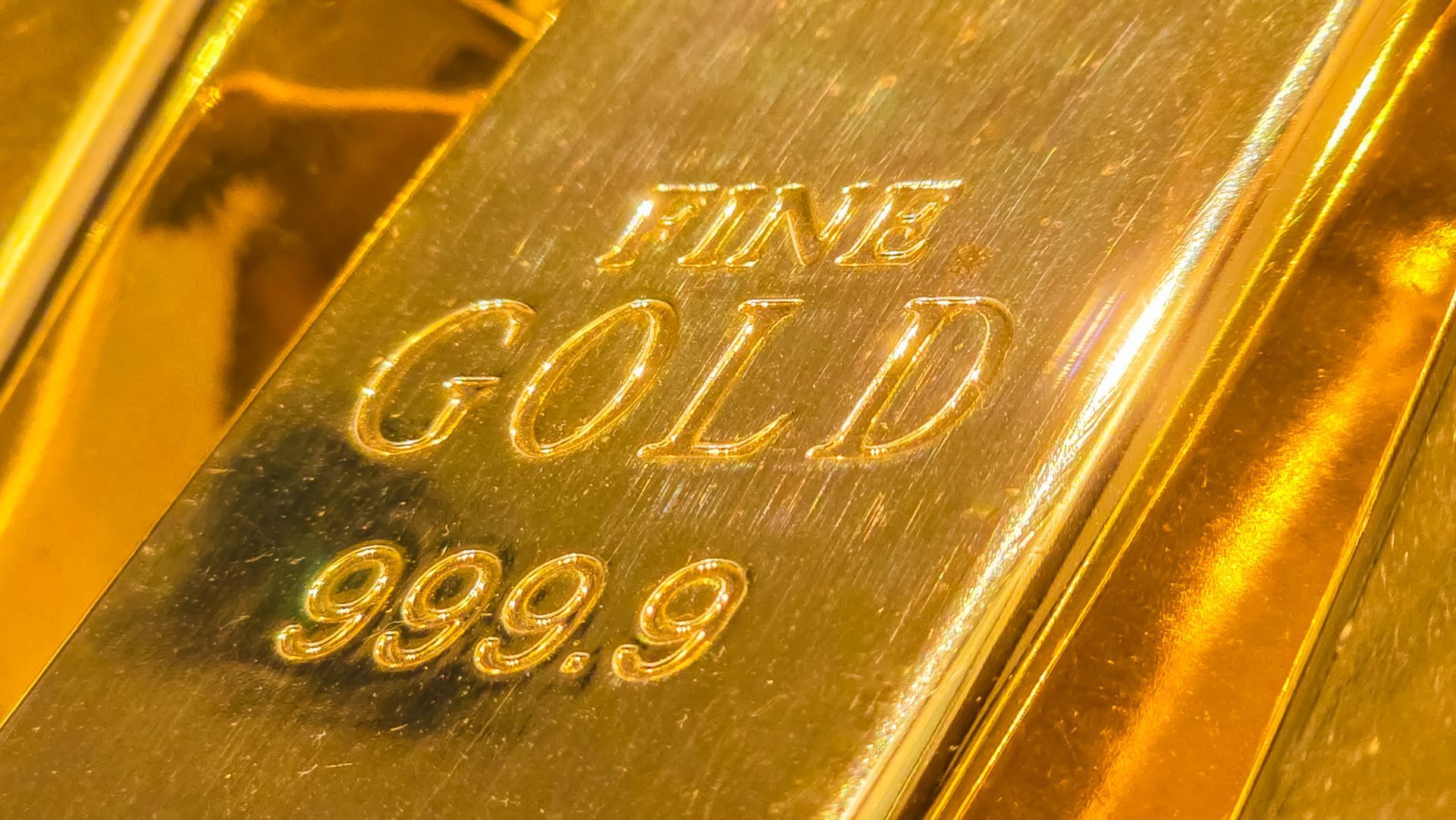
Physical ownership is the core distinction. When you buy bars of gold, you hold a tangible asset outright. With a gold ETF, you own shares in a fund that may or may not hold physical metal on your behalf.Gold bars represent direct ownership of the metal itself. You can hold them, verify them, and sell them without involving a third party. A gold ETF is a financial product traded on a stock exchange. Its value tracks the gold price, but you never take possession of the actual metal.
How Do These Two Options Compare Across Key Dimensions?
Physical gold bars and gold ETFs differ significantly across ownership, risk, cost, and crisis performance. Actual Ownership vs. Paper Claim
Gold bars give you full, direct ownership with no intermediary. A gold ETF gives you a paper claim on gold held by a fund manager, and some ETFs use derivatives rather than physical metal. In a worst-case scenario, a fund can be dissolved, suspended, or impacted by fund manager decisions.
Gold bars give you full, direct ownership with no intermediary. A gold ETF gives you a paper claim on gold held by a fund manager, and some ETFs use derivatives rather than physical metal. In a worst-case scenario, a fund can be dissolved, suspended, or impacted by fund manager decisions.
Counterparty Risk
Physical gold carries no counterparty risk. Gold bars do not depend on any company, bank, or government to maintain their value. ETFs carry counterparty risk at every level, from the fund issuer to the custodian bank.
Physical gold carries no counterparty risk. Gold bars do not depend on any company, bank, or government to maintain their value. ETFs carry counterparty risk at every level, from the fund issuer to the custodian bank.
Storage and Insurance Costs
Gold bars require a plan for safekeeping, whether a home safe, a bank safe deposit box, or a private vault, and insurance may add annual costs. ETF investors avoid these logistics but pay annual management fees, typically 0.10% to 0.40% of the fund's value, which quietly reduce returns over time.
Gold bars require a plan for safekeeping, whether a home safe, a bank safe deposit box, or a private vault, and insurance may add annual costs. ETF investors avoid these logistics but pay annual management fees, typically 0.10% to 0.40% of the fund's value, which quietly reduce returns over time.
Premium Over Spot Price
Physical gold bars are typically sold at a small premium above spot price, reflecting fabrication and dealer costs. ETF shares usually trade very close to spot, which can make them appealing for short-term exposure.
Physical gold bars are typically sold at a small premium above spot price, reflecting fabrication and dealer costs. ETF shares usually trade very close to spot, which can make them appealing for short-term exposure.
Liquidity
ETFs can be bought or sold during market hours in seconds. Physical gold bars may take longer to liquidate, though reputable local dealers can often provide a fast transaction. This trade-off is rarely a concern for long-term holders.
ETFs can be bought or sold during market hours in seconds. Physical gold bars may take longer to liquidate, though reputable local dealers can often provide a fast transaction. This trade-off is rarely a concern for long-term holders.
Performance During a Financial Crisis
During periods of banking instability or market disruption, direct ownership of gold bars means your asset remains accessible regardless of whether financial systems are functioning. ETFs, like all exchange-traded products, require functioning markets and solvent institutions to be transacted.
During periods of banking instability or market disruption, direct ownership of gold bars means your asset remains accessible regardless of whether financial systems are functioning. ETFs, like all exchange-traded products, require functioning markets and solvent institutions to be transacted.
Neither option is superior for every investor. ETFs suit those who want low-cost, liquid exposure within a brokerage account. Physical gold bars better serve those prioritizing wealth protection and tangible ownership outside the financial system.
Ready to Explore Bars of Gold in Portland, OR?
For Portland, OR investors ready to take the physical route, Beaverton Coin & Currency has spent over 30 years guiding buyers through every aspect of precious metals ownership. Whether you are comparing options for the first time or ready to make a purchase, the team can walk you through exactly what fits your goals.Visit the gold bars service page
to learn more about available inventory or reach out through the contact page
to ask questions before you commit. You can also call (503) 640-4700
to speak with a specialist directly.
Find Beaverton Coin & Currency
on Google to see hours, location, and reviews.

Verify bars of gold are authentic before you buy. Portland, OR buyers trust Beaverton Coin & Currency for expert authentication. Get a quote today.

Compare gold bars and gold coins for 2026 investing. Serving Portland, OR, Beaverton Coin & Currency offers expert guidance. Request a free quote today.

Compare gold bars vs. gold coins in Portland, OR. Beaverton Coin & Currency offers expert guidance. Request a free quote today.

Discover how to protect your gold bars in Portland, OR! Get expert storage tips from Beaverton Coin & Currency. Click here to secure your investment.
Learn about gold bars with Beaverton Coin & Currency in Portland, OR. Call (503) 640-4700 or click here to learn more about buying authentic gold bars.

Explore the beauty and elegance of gold bars in Portland, OR with our engaging blog post. Contact us today for more information!