Gold Bars vs. Gold Coins: Which Is the Better Investment in 2026?
Choosing between gold bars and gold coins is one of the most common questions new and experienced precious-metals investors face in 2026. Both forms of physical gold offer a way to store wealth outside the financial system, but they serve different purposes depending on your goals, budget, and how you plan to buy or sell. Both are typically .999 or .9999 fine gold, but the form you choose can affect your premiums, liquidity, and storage needs in meaningful ways. Investors in the Portland, OR, area looking to purchase gold bars will find that understanding these distinctions can save money and simplify future transactions.
Key Differences Between Gold Bars and Gold Coins
Gold bars and gold coins differ most in their premiums, liquidity, and collectible appeal.
Premiums Over Spot Price
Premiums are the amount you pay above the gold's raw melt value. Gold bars typically carry lower premiums than coins because they cost less to manufacture. A one-ounce bar from a recognized mint will generally have a smaller markup than a one-ounce coin from the same mint, making bars an efficient choice for buyers who want to maximize pure gold per dollar spent.
Gold coins often carry higher premiums reflecting minting costs and the collectible or legal-tender status many coins carry. American Gold Eagles, Canadian Maple Leafs, and South African Krugerrands are examples of coins that command premiums above their gold content.
Liquidity and Ease of Resale
Gold coins tend to be more liquid in everyday transactions. Most coin dealers, pawnshops, and private buyers recognize popular gold coins on sight, and their standard weights make verification straightforward.
Bullion bars from well-known refiners like PAMP Suisse or the Perth Mint are also highly liquid, but very large bars can limit resale options. If you own a 10-ounce bar and need to sell only a portion, you cannot divide it. Coins give you the flexibility to sell one piece at a time.
Storage Considerations
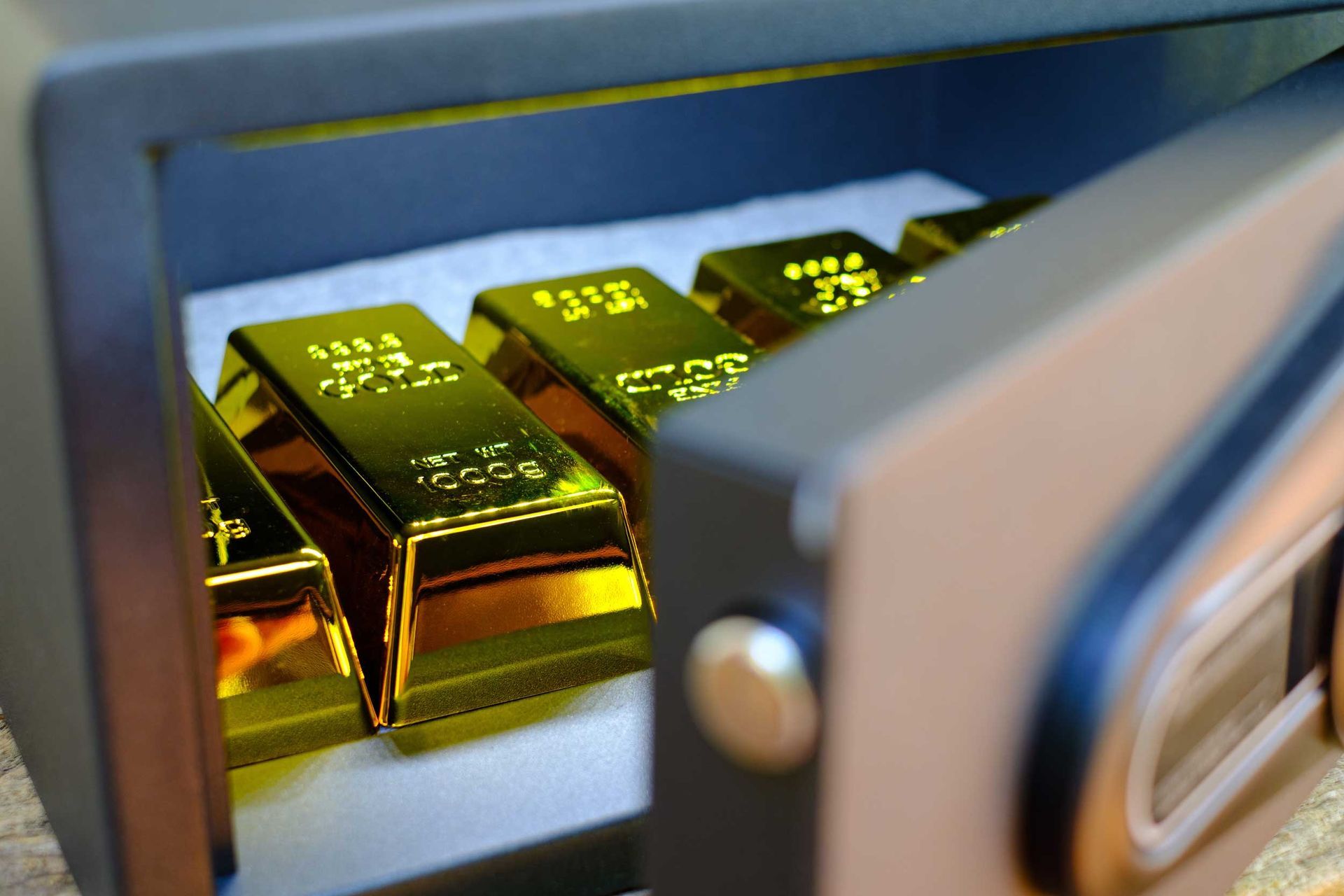
Gold bars are more space-efficient for large holdings. Their rectangular shape stacks neatly and maximizes storage density in a safe or safe-deposit box. Coins require slightly more space per ounce, but their smaller unit size makes them easier to transport or distribute across multiple storage locations for added security.
Are Gold Bars a Good Investment in 2026?
Gold bars suit buyers focused on cost efficiency and long-term wealth preservation, particularly those who plan to hold rather than trade frequently and who have a secure storage solution in place.
Gold coins may outperform bars in certain situations. Coins with numismatic value can appreciate beyond their gold content, and small-denomination coins may be easier to use in barter or peer-to-peer transactions than a single large bar. Neither form is universally superior. The right choice depends on your investment horizon, liquidity needs, and budget.
Local Buying Considerations in the Portland and Beaverton Area
Buying gold locally in the Portland metro area lets you inspect the product in person, ask questions, and avoid shipping and insurance costs. You also have immediate access to your gold rather than waiting for delivery.
Washington County and the broader Portland region have a growing base of investors interested in precious metals as a hedge against inflation and economic uncertainty. When comparing dealers, look for those that are licensed, insured, and members of recognized industry organizations such as the American Numismatic Association (ANA) or the Pacific Northwest Numismatic Association (PNNA).
What Size Gold Bar Is Best for New Investors?
New investors often find that smaller bars, such as one-ounce or fractional options, offer a manageable entry point. They carry slightly higher premiums than larger bars but provide more flexibility for resale and are easier to insure and store at home. As your portfolio grows, larger bars can reduce your average premium per ounce.
What Is the Difference Between Gold Bars and Gold Coins?
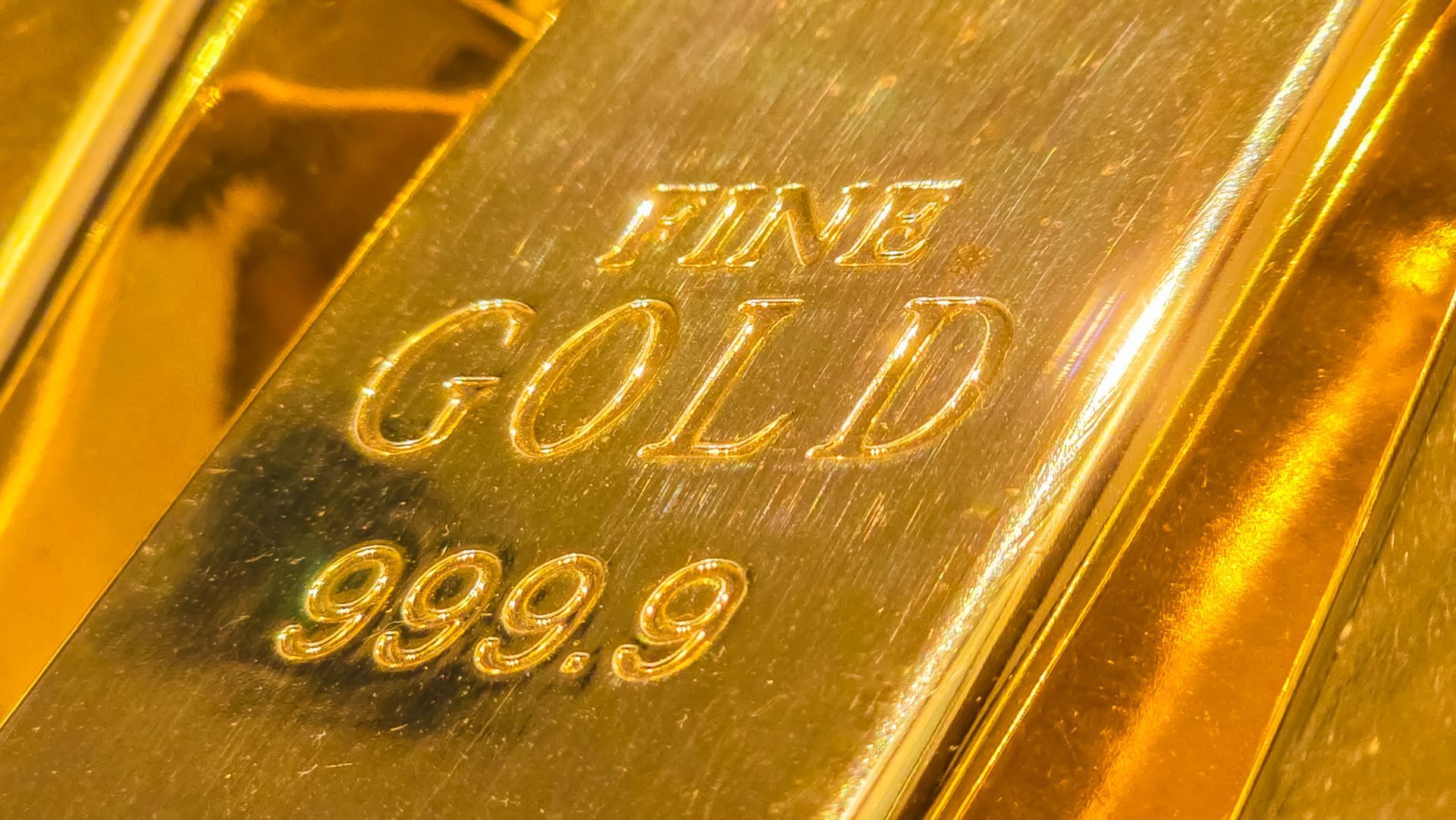
The main differences are premium costs, liquidity, and collectible value. Bars typically offer lower premiums and higher storage efficiency. Coins tend to be more liquid for small transactions, may carry legal-tender status, and can hold additional numismatic value. Both are .9999 fine in most modern bullion products, and both track the spot price of gold.
Ready to Buy Gold in Portland? Start Here.
Whether bars or coins make more sense for your portfolio, guidance from an experienced local dealer makes the process far less complicated. Serving Portland, OR, Beaverton Coin & Currency is an independent, veteran-owned business with over 30 years of experience in precious metals, rare coins, and collectible currency. Licensed, insured, and a member of both the ANA and PNNA, the shop offers personalized service backed by decades of market knowledge.
Visit the gold bars service page to learn more about available inventory and what to expect when you buy. You can also reach the team directly at (503) 640-4700 or stop by to speak with a specialist. To get started or ask a question, use the contact page to schedule a consultation at your convenience.